Friday, September 17, 2021

Top Reasons to Consider the Multi-event App Strategy for managing Organizational Events!


Event apps were launched as a lucrative option for capitalizing on the ever-increasing dependence on smartphone apps, replacing paper event guides, and providing an environment-friendly replacement over conventional event materials. These applications have evolved with time and today, enterprise-branded multi-event apps have become an integral part of a company’s event-planning and event management strategy.

Multi-Event App solutions are gradually replacing the erstwhile single event app. The reason is obvious! Single event apps cannot be reused for future events and need to be unpublished after the event gets over. Multi-event solutions, on the other hand, enable organizers to house multiple events within a single centralized app. Therefore, it’s advisable to use such an app, if you have several enterprise events like corporate meetings, association events, etc. lined up throughout the year. All you need to do is hire proficient Event App Development Company for architecting a multi-event app container, customized as per your requirement.

This post speaks about the reasons to incorporate a multi-event app for your organization. Take a sneak peek into the myriad advantages of adopting a multi-event app strategy!

Reasons to Adopt a Multi-event App Strategy


A Centralized Platform for launching Diverse Events

A multi-event mobile app works wonders in centralizing your enterprise’s event communication, thereby enabling you to effectively organize your portfolio as well as your company’s communication strategy. With a multi-event app, you no longer need to bear the hassles of promoting or launching standalone apps with separate names, content, and instructions. Instead, you enjoy the convenience of launching a one-in-all event app for all organizational events; whether it’s a board meeting, employee on-boarding, a sales kick-off meeting, or a Halloween party.

Trouble-free Event Management

Initially, it might be a difficult task to get attendees to download the event app. But, after a single download, all events will be available to the authorized users with a single click. Now, your employees won’t be able to make any excuse for not being able to attend or arrive at any meeting/conference without viewing the relevant documents.

Ease of Consolidating Events

Multi-event container apps, once published, can be populated with new events without the need to wait for getting approval from the app marketplaces. Therefore, companies need not bear the hassles of promoting a new app every year. All they have to do is add new events to their container app that can be instantly accessed by attendees. The attendees need to just create their profile once, and then use it for participating in all events across the multi-event container.

Easily Configurable as per the Requirement

In multi-event apps, you can configure the app as per your need. While you can impart a similar look for multiple events, you can make them look different as well. In other words, each enterprise event can be decked up with creative ideas so that they look distinct; instead of maintaining the same configuration for all events. Individual events can not only be imparted different kinds of brandings, features, and content; but also can cater to different sets of attendees.

Maintain Privacy of Events

Certain organizational events need some kind of privacy; such that all events should not be visible to and accessible by every individual who had downloaded the application. This requirement is perfectly fulfilled by modern multi-event solutions.

Using such solutions, event organizers can maintain the privacy of events by setting a unique event code for each event to restrict access to everyone; so that only authorized persons can attend the event. A specific event can even be hidden from view and visible only to the private group of attendees it is meant for.  This arrangement allows one to promote and manage a single event with equal ease while offering the aforesaid additional feature that allows only certain users to access specific content.  

Enhances Attendee Engagement

A well-designed multi-event app solution provides a list of attendees and an activity stream separately for every event present within the container app. As such, the attendees are able to access past events for reviewing materials/conference programs or downloading documents, get to know about upcoming events, view offline session materials, connect/interact with other attendees, engage themselves in the company’s social media websites, and many more.

Consistent Brand Management

Customizing and managing a single multi-event app enables companies to maintain their brand’s consistency across their event portfolio. For instance, diverse scheduled events such as annual events, product launches, and roadshows are housed under one location. This enables you to promote your event as well as your brand simultaneously to all registered and potential attendees.

Expedite Event Registrations

Event planners across certain domains still count the success of their events based on the number of attendees they had managed to register. In such scenarios, adopting a multi-event strategy helps, as organizers can include all upcoming events in the app and also link it to their internal as well as external registration providers. For this reason, whenever a would-be attendee downloads the application for attending a particular event, the entire event portfolio is visible to them. This encourages verbal advertising leading to more registrations.

Environment-friendly Documentation and Reduction of Printing Expenses

The usage of event apps encourages paperless event management! This is because these apps offer advanced interactive elements that enable attendees to highlight the relevant portions, take down notes, and even indulge in a bit of doodling in the margins. Besides, the event organizers enjoy facilities like conducting PowerPoint presentations and providing session handouts/scientific and medical abstracts to attendees. Such paperless management not only reduces printing expenses but also turns out to be an environment-friendly option.

Concluding Views:

Multi-event apps have created quite a buzz owing to their transformative service offerings in the realm of event management. Needless to say, modern businesses are highly dependent on such apps for streamlining their event management functions.

Are you on the lookout for an experienced software development firm that will assist you to build a personalized event app carrying your brand image? Reach out Biz4Solutions, a renowned Offshore Software Development company serving global clients for 10+ years!

Wednesday, September 15, 2021

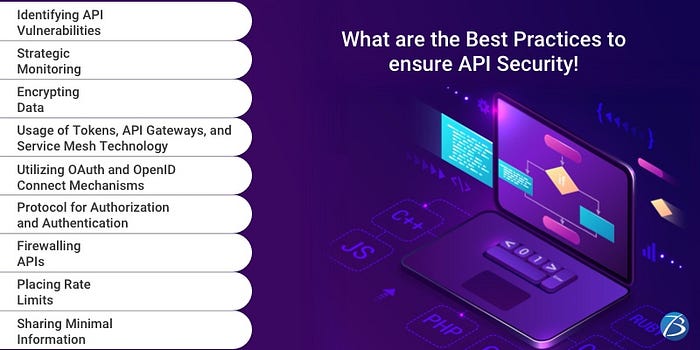
What are the Best Practices to ensure API Security!

An Application Programming Interface, commonly known as API, refers to an intermediary that enables the exchange of information between two independent software components/platforms and ensures that the information reaches the right place. An API acts as a mediator between the external and internal software functions; making the information exchange process as seamless as possible. It not only offers protocols, tools, and routines to software app developers but also allows one to extract and share data in an accessible way.

APIs are indispensable in the realm of software development, but at the same time are highly vulnerable to attacks by hackers who exploit them for malicious gains. External APIs have public-facing endpoints and are susceptible to hacking; while internal APIs can be improperly accessed or misused. Since APIs interact with your web or mobile apps, securing them should be your priority.

This post outlines the adverse effects of API security breaches as well as the best practices to follow for ensuring API security.

What are the consequences of an API Security breach?

API security breaches often expose confidential data belonging to an Offshore Software Firm or their clients. As such, one such instance may result in the affected business enterprise losing credibility and encountering dire circumstances. Several such incidents have made headlines in recent years risking the reputation of firms and ushering in global security risks.

Take a look at some instances of API breaches and their repercussions.

  • The audio chat app, Clubhouse experienced an audio spill when an unauthorized user was successful in connecting to the API to enter multiple chat rooms, and then accessed audio files and thereafter, shared those files to a third-party platform. As a result, Agora, their API provider witnessed a sharp fall in their client shares.
  • British Airways encountered an API breach in the year 2018. Information belonging to 380,000 customers was stolen directly from payment forms and the airways had to pay a fine of more than 183 million pounds as a result of this hack.
  • In 2021, the Central Bank of Russia alerted firms about a scam where hackers stole information from mobile banking apps and then used it to execute fraudulent monetary transactions. The attackers debugged banking apps, examined the payment order, and studied the architecture of remote banking API calls to find out the victims’ bank account numbers.
  • Recently, an API exposure concerning Facebook photos resulted in a data breach affecting 6.8 million users. The attackers took advantage of a login bug to access users’ photos. This scam led to a fall in Facebook’s share prices.

Established Practices for ensuring API Security

Identifying API Vulnerabilities

For securing your API against security threats, you must first identify the parts of the API lifecycle that are vulnerable to security risks. But, this task becomes quite challenging as software companies may use thousands of APIs at a time. The best ways to detect the security loopholes are scanning for the incorrect code and conducting extensive testing. 

Strategic Monitoring

Monitor consistently and be ready to troubleshoot whenever any error is detected. For this, you need to audit, log relevant information on the server, and maintain that history as long as it is logical in the matter of your production servers’ capacity. In case any issues crop up and you need to debug; your logs need to be turned into resources. Monitoring dashboards can also be used for tracking your API consumption.  Remember to add the version in the paths of all APIs. This will allow the functioning of several APIs of various versions and also enable the retiring and deprecation of one version over the other.

Encrypting Data

All data should be encrypted employing TLS (Transport Layer Security) and signatures should be made mandatory; for ensuring that only authorized users can access, decrypt, and modify data.

The usage of Tokens, API Gateways, and Service Mesh Technology

The usage of tokens is a sound API security practice. Access tokens enable an application to access your API. An access token is provided after the completion of the processes of authentication and authorization. Using these tokens, you can build trusted identities and then assign tokens to those identities for controlling access to the API.

An API gateway acts as a single point of entry for all API calls. A good gateway enables enterprises to not only authenticate API traffic but also analyze and control how APIs are used.

The service mesh technology employs yet another layer of control and management by routing requests from one service to the subsequent one. A service mesh optimizes the combined functioning of all these moving parts and also establishes proper access control, authentication, and other security measures.

Utilizing OAuth and OpenID Connect Mechanisms

It’s a good idea to delegate the task of authorization and authentication of your APIs utilizing OAuth and OpenID Connect.

Using OAuth you need not have to remember endless passwords and rather than opening an account on each website, you can connect via the credentials of a third-party provider. OAuth allows clients to get secured delegated access to the server resources on behalf of the resource owner. This mechanism is leveraged by biggies such as Google, Amazon, Facebook, Twitter, and Microsoft.

Coming to APIs, the API provider depends on a third-party server for managing authorizations. So, the consumer, instead of providing their credentials, provides a token obtained from the third-party server. This way the consumers’ credentials are not exposed thereby securing them, and the API providers need not worry about protecting the authorization data since they receive only tokens.

OAuth is used as a delegation protocol for conveying authorizations while OpenID Connect is an identity layer added on top of OAuth for offering additional API security and authentication.

Protocol for Authorization and Authentication

Several APIs are easily discoverable making them an easy target for hackers. This issue can be resolved by following the practices listed below.

  • Guard your API documentation via authorization credentials for controlling the number of API requests and the persons who can access them.
  • Try not to make APIs user-friendly because hackers often impersonate users and make use of descriptive error messages to intrude into the API.

Firewalling APIs

Firewalling works wonders in protecting APIs. API security is arranged into two layers as follows.

  • The first layer: This layer is in DMZ, with the API firewall for executing basic security mechanisms that include checking the size of messages, HTTP layer-related security, and SQL injections. This enables blocking intruders during the early stages. This message is then forwarded to the second layer.
  • The second layer: This layer is in LAN and contains advanced security mechanisms on the content of data.

Placing Rate Limits

The higher the popularity of an API, the greater are its chances to encounter malicious attacks like DDoS. DDoS attacks are executed by sending continuous calls until the server crashes. However, setting rate limits is an ingenious way to prevent such attacks on an API and to control the issues that adversely affect its performance. A rate limit controls how often an API can be called. Moreover, placing a rate limit throttles unauthorized connections as well.

Sharing Minimal Information

Check out the best practices on how to share minimal information.

  • Make sure that you display the minimum required information, particularly in error messages.
  • Lock content and email subjects to pre-defined messages which cannot be customized.
  • IP addresses may disclose locations and so it’s better to maintain their secrecy.
  • IP Blacklist and IP Whitelist can be used to restrict attackers from accessing your resources.
  • Separate access into various roles, limit the number of administrators, and hide sensitive information across all interfaces.

Bottom Line:

I hope this post has conveyed how important it is for business organizations to incorporate API security practices. If you are looking for an IT firm for assistance concerning API security, picking an efficient and experienced Offshore Software Development agency would be a wise decision.

To know more about our core technologies, refer to links below:

Swift App Development Company

Java Development Company

.Net App Development Company

Monday, September 13, 2021

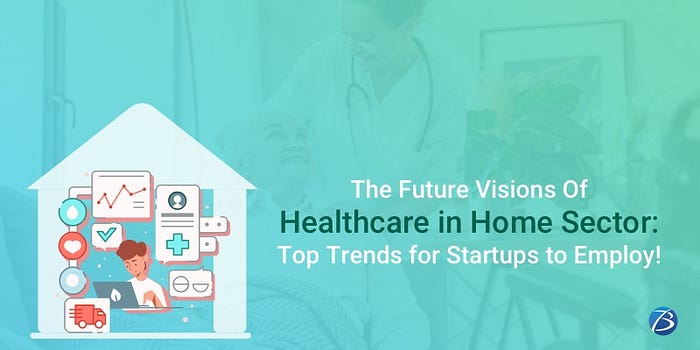
The Future Visions of Healthcare in Home Sector: Top Trends for Startups to Employ!

It is interesting to watch how the healthcare sector has evolved over the years. In the 1950s, physicians and doctors would make calls to the patients for delivering the best possible healthcare services to them. And today, in the year 2021, this trend seems to have returned where the doctors and physicians are reaching out to the patients, for providing them the best patient experience.

Moreover, the home care providing industry is growing leaps and bounds in the United States. The top reasons behind the revenue growth of this industry are the aging population in the US, rising acceptance of home care, the prevalence of chronic health conditions, technological advancements, etc. Home care also saves a lot of costs as compared to hospital care treatment. Needless to say, the future of the healthcare sector is going to be much more patient-oriented and going to save much more lives than ever.

Here are some predictions by Deloitte, on how will the future of healthcare look like in the coming years. 

  • Healthcare practices will start shifting from treating illnesses to prevention and patient well-being.
  • Patient engagement and their empowerment will give them a sense of ownership of their health.
  • Interoperable data and related platforms will allow vital medical data to flow freely yet securely for insightful decision-making.

These predictions depict that technology is going to advance the healthcare systems in myriad ways. Besides, startups and healthcare app development agencies will accordingly design their healthcare products. New trends will come into the picture and these startups and development services will have to accustom to those trends. So, let’s have a glimpse at some of such future-oriented trends.

The Future Visions of Healthcare Sector: Top Trends for Startups to Observe

Aging Patients and Home Care

According to a survey, 3 out of 4 adults of the age 50 or above would want to stay at their homes and with people of their community. As per another survey, almost 10,000 Baby Boomers are crossing the age mark of 65 years in the US; Baby Boomers are those people born between the years 1946 to 1964 and they have a considerable impact on the US economy. Besides, the number of people aged above 65 years will cross 18% of the total population, by the year 2030.

So, it is estimated that home care will be in high demand in the future. To support this statement, there is another report which predicts that by 2024, the U.S. home care market could cross $225 Billion, which was $100 Billion in the year 2016. So altogether, this is a great time for budding entrepreneurs and startups to leverage this opportunity to design apt on-demand health care app development solutions that can bridge this health care gap to offer superior medical services.

Doctors Connecting with Patients

This is the era of serving the consumers on-demand at their desired location. This holds true for the healthcare sector too. Doctors connecting to the patients and taking house calls is going to be the new norm and it is going to be the future of all kinds of healthcare entities. There already have been some medical applications in the market that offer features like audio/video calling and digital monitoring services. MeetYourDoc is one such telemedicine app. It allows patients and doctors to connect through video sessions for remote treatments.

Also, there are some other applications that are trying to bring at-home care to several patients. Phlex65 is one of the best HIPAA compliant apps meant for both- aged people and care providers. Older people can hire at-home care providers from nearby areas through Phlex65.

Telemedicine and its Convenience

Telemedicine facilitates patient monitoring using a smartphone or tablet or PC and helps the patients get medical help without moving to a hospital or a clinic. Telemedicine is a technology-driven approach that is serving millions of patients, especially in rural areas where there is a scarcity of medical facilities. Not only rural patients but owing to the current pandemic situation, even urban patients have started preferring telemedicine facilities. With just a click of a button, patients can avail these services and avoid long wait times in hospitals, or get rid of the traveling time and cost. So, the telemedicine industry, too, is growing at a rapid pace and every healthcare app development company in USA must consider this as an opportunity to grow their business.

Final Thoughts

Future visions of the healthcare domain clearly notify that ‘personalized treatment’ and ‘remote care’ are going to be the new normal, and to some extent, they have already been implemented by many care providers. With the advent of digital healthcare technologies, a plethora of mHealth apps and healthcare management systems have been designed to deliver the best-in-class patient experience and provide personalized services to them.

Furthermore, these healthcare systems and services drive actionable insights into the health conditions of patients, improve communication between patients and doctors, and provide the patients all the information about their health. So, it is essential for the startups to keep a keen watch on all such trends and accordingly design their healthcare products or offer healthcare app development services.

That’s it in this post. Hope it provided you with some thoughtful trends and ideas.

If you want more details on how this sector is advancing, reach out to us. Our professionals will assist you on this, and also guide you if you are looking forward to creating such medical apps or systems.

To know more about our core technologies, refer to links below:

RoR App Development

Java App Development

Swift App Development

Wednesday, September 8, 2021

Wondering whether to Outsource Business Operations? Watch out for these signs!


Running a business enterprise is rewarding but overwhelming at the same time. This is the reason several business owners choose to outsource app development and other administrative functions.

Take a look at these interesting 2021 stats concerning outsourcing published by the online portal capitalcounselor.com.

  • The U.S. outsources approximately, 300,000 jobs every year
  • 70% of entrepreneurs outsource for reducing costs.

Outsourcing business operations have become a current trend and it has been observed that the offshore software development model is the most preferred option. However, the most intriguing question that baffles entrepreneurs is; “When is the right time to start outsourcing?” Well, this post answers it all.

Check out the obvious signs that indicate your business needs to adopt the outsourcing strategy.

Obvious Signs that indicate your Business needs Outsourcing

Your Business is Expanding

When your market grows, your sales shoot up as well. This results in a rising demand curve and more work to be accomplished within a short period. But, catering to the larger volume of orders and delivering them on time, becomes a challenge if you are inadequately staffed. So, it’s high time you seek assistance from an outsourcing firm so that you are able to efficiently meet the rising demand while adhering to strict deadlines. Moreover, when you have a team of experts executing your voluminous tasks, you can invest more time and effort in promotional marketing and advertising your business.

Managing every function proving counterproductive

Several start-up business owners prefer managing every small operations starting from administrative and organizational tasks to customer service, all by themselves. And, since such companies possess a limited number of in-house employees, they end up spending a huge chunk of their time handling repetitive, time-consuming, and monotonous back-office tasks like HR administration, accounting, etc. These essential yet non-priority tasks, keep them from paying attention to core competencies and also suppress innovation. Nevertheless, such counterproductive chores can be easily delegated to outsourcing companies, while enterprises can focus on core business objectives that will facilitate growth and expedite revenue generation.

You are incurring huge expenses due to in-house team

Entrepreneurs hiring and maintaining an in-house team need to incur huge expenses and encounter loads of hassles like as below:

  • In-house workforce needs to be paid monthly remuneration and provided with other benefits like insurance, paid leaves, etc.
  • E-Commerce businesses without a physical store find it challenging to spend on office spaces and purchasing work equipment.
  • Small-scale businesses are likely to commit costly mistakes such as hiring incompetent/inexperienced employees or buying technologies and equipment that do not deliver a high ROI.
  • Large-scale firms end up spending a considerable amount of time and money in recruitment, training staff, and managing administrative/HR responsibilities and other back-office operations.

All these aforesaid challenges can be addressed by sharing your workload with an experienced outsourcing vendor. This is because you only need to pay the vendor for the specific services needed by your business, while all other expenses and hassle-prone activities are taken care of by the outsourcing partner. Moreover, outsourcing companies routinely train their employees so that their skills remain relevant and their services are up-to-date with the latest industry trends. So, the strategy to outsource tasks/projects undoubtedly saves time, effort, and expenses; regardless of the size and nature of your enterprise. Hence, consider outsourcing, if you need to reduce costs and speed up the time-to-market.

You are not equipped to fulfill a Specialized Task

During situations when your company is lacking in specialized skill sets needed for a particular project; there are three possible solutions. You can either train your employees to acquire that skill, or hire full-time professional/s well versed in that skill, or outsource your project to third-party vendors who can provide the specialized services you need.

Training in-house staff may sound productive, but at the same time, turns out to be time-consuming, and yet there’s no assurance that the work quality will be good enough to meet clients’ expectations. The second option - hiring staff - would be worth the investment, only if you are certain that your business will require that specialized skill on a long-term basis.

Outsourcing, on the other hand, sounds like a profitable option in terms of quality as well as delivery speed. Therefore, outsourcing is the most viable option when you have to execute short-term or unexpected tasks requiring specialized skills.

You are unable to adhere to Deadlines

How many of you have encountered situations as given below?

  • Your projects are running behind schedule and fail to get delivered on time.
  • Timely execution of tasks like accounting, regular website updations, etc. becomes difficult and cramming everything during the final moments becomes the norm.
  • You’re stressed that you hardly find adequate time in a day to realistically complete the necessary tasks.

The aforementioned scenarios are detrimental to your company’s goodwill. Furthermore, the pressure to meet deadlines is often nerve-racking and adversely affects the quality of your output. And, hiring an additional workforce may take you several weeks, which is not feasible if you have tight deadlines to meet. However, adopting the outsourcing strategy can be a huge relief as you can obtain adept professionals to whom you can assign responsibilities with immediate effect.

Your Sales are Plateauing

If your sales are plateauing and the root cause happens to be insufficient workforce and improper time management; outsourcing minor tasks or production functions will resolve your issue. This is because most outsourcing agencies specialize in specific industry verticals and domains, and so deliver premium-quality output.

It’s not possible to add New Services without Discontinuing the Existing Ones

There are times when you intend to offer a new service as per the latest trends that would prove advantageous to your clients. But, to your dismay, this plan wouldn’t work out due to the lack of enough time or workforce and you are on the verge of losing clients. And, if you add those services, you will have to make the tough decision to discontinue some existing services for accommodating the additional workload. Nevertheless, outsourcing can be the savior of such situations.

Your Customer Service is worsening

Customer service is a vital aspect that decides the success of a business enterprise. Whether it’s just sending periodic updates via emails to clients or more detailed interaction, it shouldn’t be ignored at any cost. This is because if you are too tied up with other responsibilities and unable to provide adequate attention to customers, they are likely to tail off to your competitors. Furthermore, your capacity to onboard new clients will sharply decline as well. The modern age customer behavior is such that if they are kept on hold for more than thirty seconds, or your instant messaging service is slow; they’ll desert your brand.

Outsourcing, on the other hand, will enable you to provide your customers with an enjoyable UX, and hence will help you in customer retention as well as attracting new ones.

Your Products/Services are vulnerable to Security Threats

Several modern-day businesses are vulnerable to cybersecurity threats such as ransomware, zero-day attacks, etc. Such attacks can cause monumental damage to the affected firms. To protect themselves from such a predicament, companies need to continually update their security systems. In many instances, firms are not adequately equipped to prevent and handle cyber-attacks. Well, in such cases outsourcing software operations to a prominent outsourcing agency are the most viable solution. The reason is specialized IT companies leverage the latest technologies like AI that will allow your security system to create protection layers autonomously. Besides, these agencies are well versed in the methodologies of adhering to security protocols. Thus, outsourcing can be the ideal solution for minimizing security threats.

You have to Fulfill Compliance Mandates

Businesses across certain domains like healthcare need to comply with national as well as international regulatory compliances concerning the protection and security of electronic data. And, the organizations that fail to comply with such mandates end up paying huge fines and tainting their reputation altogether.

Adhering to regulatory compliance like HIPAA Compliance involves certain complex requirements such as the ability to audit your security system and software infrastructure, generate accurate reports of the audits conducted, and many more. The simplest way to satisfy these essential requirements is to hire a proficient IT firm that possesses the necessary resources for securing your network, adhering to the cybersecurity measures as mandated, conducting audits promptly, and generating relevant reports.

Concluding Thoughts:

Isn’t it wise to trade your weakness for rewards by reaping the benefits of outsourcing app development services? So, whenever you find any of these alarm bells ringing, it’s high time you should consider outsourcing. The myriad benefits of this strategy ensure high ROI for your business.  

Are you on the lookout for a reliable outsourcing agency? Contact Biz4Solutions, a prominent Offshore Software Development company serving global clients for the last 10 years!

To know more about our core technologies, refer to links below:

PHP App Development Company

Wordpress Development Company

Node.js App Development Company

Tuesday, September 7, 2021

Prominent categories of On-demand Applications!

In today’s era of digitalization, consumers are accustomed to receiving instant solutions to anything and everything at their fingertips. This customer expectation is perfectly fulfilled by On-demand app solutions. As the name indicates, on-demand apps enable customers to receive services/ products at their desired location as and when they demand; with just a few clicks on the smartphones.

Such services are immensely advantageous to customers and providers owing to the following reasons:

  • Instant access to smart search, suitable payment methodologies, and real-time tracking
  • Prompt delivery leading to customer satisfaction
  • A budget-friendly option for consumers and providers unanimously
  • Higher revenue generation for businesses and scope for scaling up their operations

No wonder such apps have gained a lot of traction within a short period and are predicted to rule the roost in the coming years.

On-demand app development possesses a huge market potential and has a lot to offer to aspiring entrepreneurs. So, this write-up outlines the various on-demand app models as well as the major app categories that have disrupted the mobile app industry. A quick read will provide useful insights to businesses that plan to invest in on-demand app creation.

On-demand App: Business Models

B2B: Business to Business

This business model is used when a business seeks services or products from another business enterprise. B2B apps connect various businesses via mobile platforms and support transactions across the globe. B2B apps are categorized into two segments: Vertical and Horizontal. “Vertical” refers to serving a single industrial domain whereas “Horizontal” refers to serving manifold industrial sectors. Some of the prominent B2B apps include Cargomatic, Catalant, Eventio, Flipkart, Amazon, UrbanClap, and Walmart.

B2C: Business to Consumer

The app solutions catering to this business model help a business to digitally connect to their customers. B2C solutions enable the end-users to either buy products or avail of services directly from a business enterprise. Dominos, Starbucks, Amway, Nike, are some notable examples of this model.

C2C: Consumer to Consumer

C2C apps allow users to sell or buy goods/services from other users. Such apps provide equal rights to all the users and none of them are regarded as entrepreneurs. For example, the BlaBlaCar app enables users to fetch as well as offer rides to co-travelers. These platforms provide ride details like arrival/departure points and travel dates - to persons who wish to book a seat. Other popular C2C app solutions are AirBnB, OLX, Uber, eBay, etc.

Major Types of On-demand Apps

Grocery

Grocery delivery services via on-demand mobile apps are currently one of the most preferred and widely used services. This is because such apps eliminate the need for paying a visit to the grocery store and waiting in long queues, for buying daily necessities. Consumers simply have to tap on their mobile handsets to select the necessary items, add them into the cart, make the payment using secure in-app options, and the groceries reach your doorstep within a few hours.

Food Delivery

Food delivery apps allow consumers to effortlessly taste different delicacies from a wide range of eateries right from the comfort of their living rooms. Such an application displays all available food joints within the users’ vicinity. The users can then select the restaurant/s of their choice, the food items they wish to order as well as the desired customization details. Once the payment is executed, the eatery confirms the order and provides home delivery. These apps operate within a particular radius and levy delivery charges based on the bulkiness of the order. Besides, such apps fetch more orders for food providers and help them to widen their customer base.  Uber Eats, Grubhub, Doordash, and Instacart are some examples of successful food delivery apps.

Healthcare

On-demand medical apps elevate the convenience quotient by instantly connecting patients with practitioners and providing round-the-clock services. mHealth apps like doc-on-demand, not only enables patients to book doctor appointments via smartphone devices but also provide an in-person-like online healthcare consultation experience, including medical examinations as well as recommendations from physicians. Apart from telemedicine apps, the healthcare on-demand sector also offers medicine delivery services those drop-ship medicines directly to the customers’ doorstep. PharmEasy NowRx, Practo, 1mg, and Myra are some noteworthy examples.

Home Services

Finding reliable home services for tasks such as plumbing, electrical issues, pest control, furniture repair, house cleaning, etc. has always been a difficult task as such services aren’t easily available. However, the advent of home services apps have successfully addressed this pain area encountered by consumers and has benefitted providers too. Individuals, as well as commercial service providers, enroll themselves in this marketplace for generating leads. Furthermore, the app provides the location of the home/office seeking services, tracking options, and review features to facilitate service delivery. TaskRabbit, Homejoy, Handy, Slate, UrbanClap, and Merry Maids are some popular examples of this niche.

Entertainment

Entertainment apps like Amazon Prime, Spotify, and Netflix, complement the changing behavior of the consumers of the entertainment industry. Thanks to such apps, viewers can now watch movies/shows, listen to music, on these OTT platforms, and indulge in gaming sessions regardless of the hour and location. Furthermore, one can tune in to programs broadcasted from any corner of the world and watch an entire season at one go instead of having to wait for the next episode. As such, this approach proves to be convenient and offers value for money.

Employment services

The modern job industry is teeming with professionals who prefer flexible/freelancing jobs over the conventional company culture and are interested in short-duration projects. Such job seekers use on-demand employment apps to connect to the providers and find the specific type of job offers they are looking for.

Travel

On-demand travel apps have become a handy travel companion for all new-age travelers. This is because such apps have simplified complex tasks like finding and locating tourist spots, booking hotels, renting car services, etc. Travelers utilize applications such as HotelToday, and Airbnb to acquire information and avail of essential services using their smartphones.

Cab Booking Services

Taxi-booking apps like Uber, Flywheel Taxi, Juno, Lyft, etc. come with the following offerings:

  • Booking a ride by providing the pick-up location and the desired destination.
  • Tracking the driver’s location through GPS-enabled maps/navigators
  • Interaction with the driver using in-app communication channels to enquire about the arrival time, while awaiting the cab’s arrival.
  • Feedback systems concerning behavior and services via ratings, for both customers and drivers.

Transportation and Logistics

Apps like Uber Freight and UberDELIVER allow the safe delivery of parcels and the transportation of freights to any location, at any time. Such solutions come with advanced features such as real-time tracking, speedy payment, in-app messaging to facilitate communication between customers and suppliers and offer transparent pricing.

Concluding Thoughts:

On-demand apps empower customers to obtain access to their necessities at their fingertips and hence have garnered unparalleled popularity amongst the masses across the globe. Therefore, investing in on-demand app development will make way for a quantum leap in terms of business growth as well as profitability.

 If you have architected a fully functional on-demand app, do not forget to share your experiences in the comments section below.

Guidance on building a Productive Medical Mobile Application!

The demand curve for medical mobile apps continues to soar as smartphone apps are the most preferred tools for obtaining any product or service. The healthcare app users enjoy the following advantages:

  • Scheduling/postponing/canceling appointments, selecting the doctor/specialist of their choice, and receiving emergency help instantly
  • Receiving reminders/updates related to prescription refills and appointments via notifications
  • Accessing electronic therapeutic records and lab test outcomes
  • Tracking health parameters such as blood glucose levels, cholesterol, height, weight, etc.
  • Downloading as well as transferring medical reports like X-ray/ultrasound scans, MRI reports, etc.

Every medical service provider would like to offer the afore-mentioned facilities to their patients for expanding their customer base and retaining the existing ones. As a result, Healthcare providers are hiring Healthcare app development services to build On-demand medical mobile apps. Therefore, I have penned down certain crucial aspects that providers need to comprehend before jump-starting the app development process. A quick read will prove helpful to healthcare app owners in deciding the right roadmap.

Medical mobile app development: Best Practices

Identify the shortcomings of the existing medical apps

Despite the growing demand for healthcare apps, several apps fail to satisfy customer expectations. So, before you go ahead to architect one, identify the areas where other applications have failed. Some of the commonest shortcomings of current medical apps are as follows:

  • A structure that fails to address any specific problem
  • Confusing UI, below-average UX, and poor usability
  • The lack of clinical output
  • The inability to adhere to regulatory compliances and practices to ensure privacy and security of data.

Once you sum up the drawbacks in existing apps; build solutions that are meaningful, dependable, and helpful. Your app must also comply with the privacy and security mandates; as this is one of the most crucial aspects considered by patients and providers before adopting a healthcare app.

Know your audience and design Consumer-driven apps

Conduct surveys to learn about the preferences of your target audience to effectively engage consumers across different demographic groups. Some general observations are:

  • Elderly users prefer larger icons/letters and simpler directions and navigation methods
  • Youngsters are more attracted to medical apps with colorful displays, gaming technology, social media integration, etc.
  • Some demographic groups prefer in-app quizzes and contests relating to wellness and healthcare.

Designing your app as per the preferences of your targeted consumers will accelerate the adoption rate.

Select the kind of e-health app that befits your Idea

There are myriad lucrative functions to include in your medical app such as diagnosis chatbots, phone-to-text abilities, mobile medication alert functionality, geo-location/geofencing, etc. So, it’s important to understand where your app idea fits into the electronic health space and then decide on the type of healthcare app accordingly.  Your target app should be fulfilling the needs of one niche in the e-health domain. Here are the major types of healthcare apps to choose from.

Clinical assistance apps help doctors to provide electronic in-hospital diagnoses like symptoms checkers, digital images, laboratory results, etc. And, if this functionality is broadened and patients’ medical data is systemized, EMR and EHR apps come into the picture. The EMR (Electronic Medical Records) software, stores the treatment history of patients; while the EHR (Electronic Health Records) software, allows healthcare providers to securely exchange medical information.

Scheduling and reminder apps assist administrators and practitioners in scheduling future appointments promptly and also send timely reminders to patients concerning scheduled appointments as well as prescription pick-ups whenever required.

Telehealth/Remote Monitoring apps enable the remote transmission of patient-related information to a healthcare provider based in a different location. Doctors can even relay information pertaining to ECG viewing, patient lifescan data, and remote oxygen-level checks in between connected devices.

Healthcare Resource and Training Apps are meant for healthcare practitioners, nurses, and learning physicians. Such apps offer valuable assistance on diseases, drugs, and treatment methodologies; in the form of study guides, clinical references, drug-related information, educational courses/ games, etc.

Fitness and Lifestyle apps are for personal use and are meant for individuals looking for app solutions to track and maintain their personal health and fitness. Apps concerning diet guidance, fitness tracking, meditation, motivation, etc. are some of the commonest examples of this category.

Medical Emergency apps aim at saving lives during emergencies. When the help button is pressed, a direct call to the hospital is activated and the patients’ location is identified.

Design a user-friendly UI/UX

A flawlessly designed UI and UX are essential prerequisites in medical apps. This is because modern-day devices have relatively smaller screens and so it becomes challenging for medical app developers to conveniently present digital content for users. Check out some of the best prevalent practices.

  • Let the user commence the app experience with crucial information like profile viewing, advanced search, appointment scheduling, etc.
  • Provide important information in the early stages of the users’ journey through your app.
  • Keep the graphic design clean, simple, and uncomplicated.
  • Create rational and consistent user stories/pathways.
  • Choose user interactions with care so that the number of interactions is minimal and the consumers’ objective is achieved as well.
  • Try to deliver an overall seamless in-app experience so that your app turns out to be convenient as well as time-saving for users.

Pick the targeted Devices and Platforms wisely

One question that arises in the minds of every app owner is; “Which platforms, devices, and OS should my e-health app support?” Well, e-health apps needs to be supported on the right devices and platforms. Check out some crucial facts.

Devices

  • Using mobile devices like Smartphones, smartwatches, and tablets; users can access your app instantly and speedily.
  • Desktop devices, like PCs and desktops, will prove beneficial for elderly users and those conducting in-depth or time-intensive research.

Platforms

  • Developing apps in both Android and iOS will allow you to reach the maximum audience.
  • A single OS can be targeted, if you have already scrutinized the existing analytics and figured out which platform is preferred by your target audience.

Research on what Functionalities to add based on the App’s Type

It’s important to research what kind of feature your app needs based on the type of healthcare app niche you have chosen. The reason is all medical apps do not have the same kind of requirement. For example, a dashboard is not an essential feature in medical resource apps, but clinical assistance and lifestyle apps necessarily need one. Some of the key features of medical apps are listed below.

Dashboard

Dashboards enable healthcare service providers to effortlessly consolidate all patient-related information in one place, thereby improving administration and clinical efficiency.

Patient/User Portal

This is a patient-facing functionality that enables patients to receive messages, reminders, alerts, etc. from the concerned doctor/s or mentor in a single place.

Reporting and Charting

The feature of accruing analytics information for monitoring activity and reviewing progress helps in minimizing reporting/charting mistakes to a great extent and improving the level of care.

Doctor Profiles integrated with Geolocation capabilities

This feature allows patients to easily find the practitioners within close vicinity, review their credentials, and then utilize GPS to reach the healthcare facility where they can find the desired doctor.

Real-time chats/video conferencing

This feature allows patients to instantly connect with on-site practitioners in times of emergency, for diagnoses, or for discussing treatment options.

Payment integration

This feature is used by remote patients for executing payment transactions, and by lifestyle app consumers for buying products or paying for subscriptions.

Adhere to Regulatory Compliances

A medical mobile app must adhere to the privacy and security standards mandated by government bodies; or else the app owners may encounter financial liability issues resulting in hefty fines amounting to millions of dollars.

The regulatory compliances followed by various regions are given below:

The U.S.A.

Any healthcare mobile app meant for the U.S. market that stores or transmits patients’ PHI (Protected Health Information), must comply with HIPAA (Health Insurance Portability and Accountability Act). HIPAA regulates the way how medical data is transmitted between servers and limits unauthorized access to this data. The entities covered by this act are hospitals, medical service providers, health plans, etc.

Canada

The Canadian Government has enforced PIPEDA (Personal Information Protection and Electronic Documents) for securing medical information. According to this act, individuals have the right to privacy concerning their medical information.

The European Union

Any healthcare entity in the European Union that gathers, stores, or uses citizens’ medical data must follow GDPR (General Data Protection Regulation), irrespective of the business’ location.

The U.K.

The U.K. mandates complying with DPA (Data Protection Act) that limits storing and using personal information.

Ensure Security of Medical Data through all Stages

Maintaining the privacy and security of sensitive medical data should be prioritized. Take a look at some of the standard practices.

  • Weighing the upsides and downsides concerning security between Android and iOS devices
  • Creating a privacy policy that is informative as well as accessible
  • Adding different forms of user authentication methods including user passwords
  • Installing and activating data encryption techniques in mobile devices
  • Maintaining updates for ruling out the chances of network infections that compromise your PHI

Some Effective Medical Mobile Apps developed by Biz4Solutions

  • Healthcare Management System: This is an elaborate web and mobile app solution that helps hospital bodies in managing daily practice management activities and accelerating patient engagement. The solution includes EMR and EHR amongst several other outstanding features.
  • Phlex65: It’s a HIPAA compliant app connecting elderly individuals with their caregivers residing in nearby areas and that too in real-time.
  • Patient-doctor Communication App: It simplifies the interaction between patients and their practitioners.

Final Thoughts:

Medical mobile apps provide loads of opportunities to healthcare service providers for engaging with patients effectively and at the same time enhance the UX and quality of care delivered to patients.

Are you looking for a reliable Healthcare app development Company? Contact Biz4Solutions, a leading firm providing unparalleled Healthcare App Development Services to global clients for the last 10 years!

To know more about our core technologies, refer to links below:

.Net App Development

Java App Development

Swift App Development

Friday, September 3, 2021

Top IoT Security Tactics to Consider for Your Smart Devices!

Security vulnerabilities can cause massive disasters. To cite an example, let’s consider a case study of the Stuxnet worm that was first detected in the year 2010. However, this malicious computer worm had made its first attack in the year 2006, and later in the year 2009, it was executed for a huge operation. In 2009, this worm was used like a cyber-weapon for targeting several data acquisition and control systems and destructing the machinery in nuclear systems. This IoT attack proved enormously catastrophic.

Here are a few more scenarios where cyber-criminals can attempt and have attempted in the past, to enter IoT systems through innocuous devices:

  • Hackers can control cameras on laptops, webcams, baby monitors, etc. to peep into the personal space of the users.
  • When people share information like bank account details or passwords with digital assistants like Siri, Mycroft, or Amazon Echo, this information can be accessed by cybercriminals.
  • Hackers can make use of your smart devices as bots for delivering computing power for a DDOS attack, password cracking, click fraud, and much more.
  • Cybercriminals can launch a ransomware attack on the smart home IoT systems and make them unusable until a certain amount is paid to them.

These types of attacks can severely damage the entire IoT ecosystem. So, how to prevent the IoT systems from such cyber-attacks? Are there any robust security measures or IoT securities for this? Well, in this blog, we are going to shed light on those measures.

But before we commence, let us take a quick look at the vulnerabilities that can put IoT systems at risk.

Security Vulnerabilities that Put the IoT Systems at Risk

There are some security vulnerabilities that invite crimes and breaches to your IoT systems and thus to your organization. Let us understand those vulnerabilities.

  • Vulnerable interface ecosystem
  • Passwords that are weak, or, hardcoded or easily guessable
  • Devices are not updated with up-to-date mechanisms or the latest software
  • Little or no privacy of the data
  • Insecurity in-network services
  • Lack of physical actions
  • Overlooking the storage and transfer of data
  • Default settings in IoT mobile apps that grant permission to unnecessary apps/services
  • Utilization of unsafe and outdated components

Key IoT Security Measures to Consider for Your Smart Devices and Systems

Choosing a Device that is Secure by Design

Make sure that the IoT device you buy is secure by design. Look into the design details of the device prior to its purchase. If adequate design details are not available for any device, then rethink buying the device. Also, ensure that the device manufacturer will be providing timely updates and patches for the lifetime of the device. It will also help the device to remain updated with the latest trends in the market.

Monitoring the Network and the Connected Devices

The IoT devices become vulnerable to threats, the moment they are connected to the internet. It is essential to keep track of all the devices and the network, but this becomes a tough job when more and more devices are connected to it. However, to ensure the security of the IoT systems, one must keep a record of the devices, network, and also the type of data these devices can access. Furthermore, if the system consists of IoT mobile apps featuring social sharing, make sure that the permissions are granted cautiously.

Setting up the Router correctly

Your Wi-Fi router can act as a gateway for cybercriminals to enter your IoT network of devices. After all, the router connects the IoT devices with each other to create a robust IoT network. So, securing the IoT system starts with securing the router and setting it up correctly. Here are some tips that companies can follow:

  • Naming the Router: Always change the default name of the router because the default name is usually its make and model number. If the hackers get to know these details, they can easily get to know the default login and password and access your IoT network through the router. So, it is essential to change the router name and set a strong name that does not contain any personal identifiers like your name, address, etc.
  • Setting Unique Password: Besides the router name, it is essential to change the password of the router to something strong and unique. Create complex passwords using numbers, letters, and special characters. For this, you can use a random password generator and generate a password that is inaccessible.
  • Using Highest Level of Encryption: Finally, make sure that your router has a strong encryption method. Do not utilize some network that does not have a reliable encryption protocol or a public network. It is advisable to utilize the latest encryption standards like WPA2 (WPA3 is coming soon to the market) and not the older standards like WEP or WPA.

Avoid Public Wi-Fi Networks and Make Use of Guest Networks

While accessing the IoT network through your smartphone or laptop, always avoid using public Wi-Fi because hackers can easily break into such open networks. Such networks are usually offered in malls, hotels, coffee shops, etc. So, always use a strong and secure Virtual Private Network (VPN) because it provides you an encrypted, private gateway to the internet and halts the hackers from being able to catch your communications.

Moreover, it is a great idea to start using guest networks. This will not provide them access to the main network. As a result, if hackers try to play with one of the IoT devices on the network, they won’t be able to access or control your primary network and will be stuck in the guest network itself.

Setting Super-strong Passwords

Besides the Wi-Fi passwords, there are some other areas too, where you need to set super-strong passwords. For example, when an IoT device asks to create an account and sign-up using a password, make sure you use a strong and unique password that cannot be guessed easily. So, even if one of the devices gets hacked or compromised, other devices on the network remain intact.

But one major headache, in this case, is remembering a lot many passwords for different devices. So, one can utilize a password management tool that stores unlimited passwords, creates new passwords, and also syncs them between different devices.

Changing the Default Device Settings

Most of the IoT devices have some default settings, which are not secure and could cause vulnerabilities. Besides, there are a few devices that do not allow changing these settings and are a threat to the entire IoT network. But wherever possible, one must check and modify the weak credentials, obstructive permissions, intrusive features, open ports, etc.

Installing Firewalls and Similar Solutions

Security gateways can stand as a threat between your IoT network and devices. These possess more memory, processing power, and other functional capabilities than IoT devices.

So, to prevent hackers from playing with your IoT devices and systems, it is advisable to install powerful security solutions like a firewall. It blocks unauthorized traffic over the wire and runs IPS or IDS, which is intrusion prevention or intrusion detection system for scrutinizing the network system. Besides, a firewall comes with features like malware protection, SSL/SSH interception, content filtering, QoS management, etc. which increase the device security to a great extent.

Furthermore, one can also utilize vulnerability scanners for unveiling the security loopholes within the system. You may also make use of a port scanner for identifying the open ports.

Disabling Functionalities that Aren’t Used or Useful

There are several features available in IoT devices that are not used at all. For example, smart speakers have Bluetooth connectivity features and Wi-Fi, too. But mostly, the Bluetooth connectivity feature is not used. So, it should be disabled.

Another example of this is the voice control feature of smart TVs. These days, digital assistants like Alexa, Siri, Google Assistant, etc. are used and so, the voice control feature of the smart TVs goes unused. So, it is a better idea to turn that feature off. Likewise, several IoT devices have the feature of controlling them from any corner of the world. But, for your smart home, if you are making use of only the Wi-Fi connection in your home, disabling the remote access would be a wise option.

Such entry points that are not used at all must be disabled to protect the devices from being exposed to cybercriminals.

Boosting Consumer Awareness about IoT Securities

Most of the end-users are not aware of the security considerations of the IoT devices and tend to overlook them. So, increasing their awareness is a necessity today. They must be aware of the latest security measures for IoT-related systems. They must also be aware of updating the software apps, default credentials, etc. They must also be aware of dangerous cyber threats that take place and what can be the potential measures.

A Few Other Security Tips

Implementing physical security like having biometric passwords, pins, etc. on the device, remotely erasing the related data on smartphones, having automatic or selective backups in place, etc.

  • Enabling multi-factor authentication
  • Keeping all your IoT devices up-to-date
  • Employing a separate Wi-Fi network for your IoT devices
  • Ensuring that universal Plug and Play (UPnP) are off

Final Thoughts

Hackers and cybercriminals can enter the IoT network of various devices through a very harmless device on the network as these devices usually have no or little built-in security. It could be a smart TV, or a gaming console, or a smart lock. Once entered into the systems, these hackers can induce viruses that can easily access sensitive information like daily routines, contact details, financial information, passwords, etc., and misuse it.

Also, the hackers can install malicious software programs like malware causing all the more damage to IoT app solutions and IoT ecosystems altogether. However, if you proactively employ the security best practices during IoT app development or while setting up IoT systems, mentioned in this blog, your IoT systems will become highly secure and they won’t get hacked so easily.

Hope you are now well-equipped with the security best practices that you must employ for protecting your IoT devices and systems.

For any queries related to this, kindly comment below or reach out to us. We have expert IoT professionals who will not only resolve your queries but also help you design customized robust software solutions for IoT systems. We deliver futuristic offshore software services in India in several trending technologies. So, get in touch with us now for further details.

To know more about our core technologies, refer to links below:

Flutter App Development Company

Java App Development Company

RoR App Development Company